Understanding Hydrological Production and Its Associated Processes
- DAGBO CORP
- 5 days ago
- 3 min read

Water shapes our planet in countless ways, yet the journey of water through the environment often goes unnoticed. Hydrological production refers to the generation and movement of water within the Earth's system, driven by natural processes that sustain ecosystems, agriculture, and human life. Grasping these processes helps us manage water resources wisely and prepare for challenges like droughts and floods.
What Is Hydrological Production?
Hydrological production involves the creation and cycling of water in various forms—liquid, vapor, and ice—across the Earth's surface and atmosphere. It includes precipitation, surface runoff, groundwater recharge, evaporation, and transpiration. These processes work together to maintain the water balance in different environments.
For example, when rain falls on a watershed, some water infiltrates the soil, replenishing underground aquifers. The rest may flow over the land as runoff, feeding rivers and lakes. Plants absorb water through roots and release it back into the air via transpiration. This continuous movement is essential for sustaining life and shaping landscapes.
Key Processes Driving Hydrological Production
Precipitation
Precipitation is the primary source of freshwater in most regions. It occurs when atmospheric moisture condenses and falls as rain, snow, sleet, or hail. The amount and type of precipitation depend on factors like temperature, humidity, and geography.
Mountain ranges often cause orographic precipitation, where moist air rises, cools, and releases water.
Coastal areas may experience heavy rainfall due to moist ocean air.
Arid regions receive limited precipitation, affecting water availability.
Infiltration and Groundwater Recharge
When water reaches the ground, some soaks into the soil—a process called infiltration. This water moves downward, replenishing aquifers and underground reservoirs. The rate of infiltration depends on soil type, vegetation cover, and land use.
For instance, sandy soils allow rapid infiltration, while clay soils slow water movement. Urban areas with paved surfaces reduce infiltration, increasing surface runoff and flood risk.
Surface Runoff
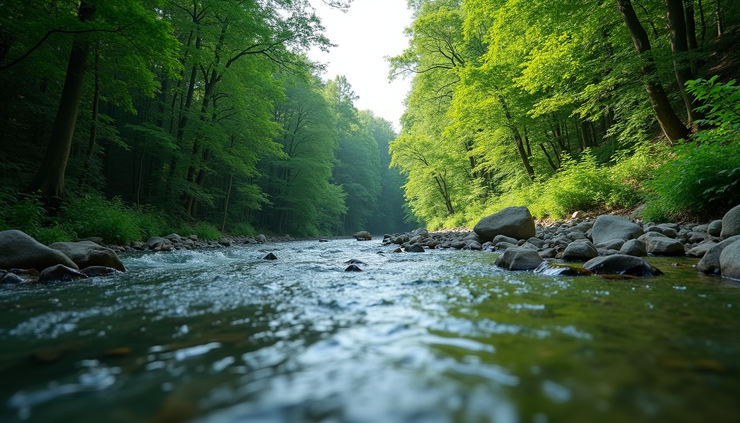
Water that does not infiltrate flows over the land as surface runoff. This runoff collects in streams, rivers, and lakes, eventually reaching oceans. Runoff plays a crucial role in transporting nutrients and sediments but can also carry pollutants.
Heavy rainfall or snowmelt can cause high runoff volumes, leading to flooding. Managing runoff through green infrastructure like wetlands and permeable pavements helps reduce flood risks and improve water quality.
Evaporation and Transpiration
Evaporation turns liquid water from surfaces like lakes and soil into vapor, returning it to the atmosphere. Transpiration is the release of water vapor from plants during photosynthesis. Together, these processes are called evapotranspiration.
Evapotranspiration rates vary with temperature, wind, and vegetation type. For example, forests typically have higher transpiration rates than grasslands. Understanding these rates helps in water budgeting and irrigation planning.
How Hydrological Production Affects Ecosystems and Human Activities
Hydrological production supports ecosystems by maintaining soil moisture, river flows, and wetland habitats. Aquatic species depend on consistent water availability, while terrestrial plants rely on soil water for growth.
Human activities like agriculture, industry, and urban development depend heavily on water produced through these natural processes. For example:
Farmers rely on precipitation and groundwater recharge for crop irrigation.
Cities depend on surface water and aquifers for drinking water supplies.
Hydropower generation requires consistent river flows.
Disruptions to hydrological production, such as deforestation or climate change, can reduce water availability and increase the risk of droughts or floods.
Practical Examples of Hydrological Production in Action
Amazon Rainforest: This vast forest generates significant local precipitation through evapotranspiration, creating a self-sustaining water cycle that supports its rich biodiversity.
Ogallala Aquifer, USA: Groundwater recharge here is slow due to semi-arid conditions, making sustainable water use critical for agriculture.
Urban Stormwater Management: Cities like Portland use green roofs and rain gardens to increase infiltration and reduce runoff, mimicking natural hydrological processes.
Monitoring and Managing Hydrological Production
Scientists use tools like rain gauges, satellite imagery, and groundwater wells to monitor hydrological processes. Data helps predict water availability, manage resources, and plan for extreme weather events.
Effective management includes:
Protecting forests and wetlands to maintain natural water cycles.
Designing infrastructure that supports infiltration and reduces pollution.
Implementing water-saving practices in agriculture and urban areas.
Understanding hydrological production allows communities to adapt to changing conditions and secure water for future generations.


Comments