Exploring the Engineering Marvel of the Coatzacoalas 2 Cable-Stayed Bridge in Mexico 1984
- DAGBO CORP
- 4 days ago
- 3 min read

The Coatzacoalas 2 Bridge stands as a remarkable example of engineering skill and innovation from the early 1980s. Completed in 1984, this cable-stayed bridge in Mexico not only solved a critical transportation challenge but also showcased advanced design techniques that influenced bridge construction worldwide. This post explores the bridge’s design, construction, and lasting impact on engineering.
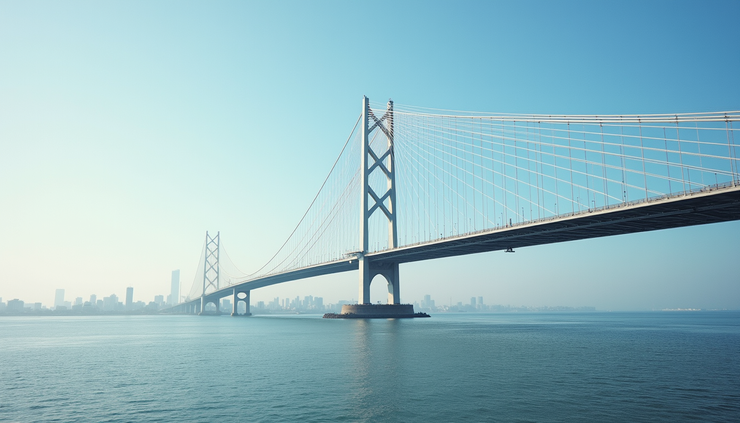
The Challenge of Connecting Coatzacoalas
Before the bridge was built, the region faced significant difficulties in transportation. The area’s geography includes wide rivers and rugged terrain, which made road travel slow and unreliable. The need for a strong, durable crossing was urgent to support local communities and economic development.
Traditional bridge designs, such as suspension or beam bridges, posed challenges due to the span length and foundation conditions. The Coatzacoalas 2 Bridge project required a solution that combined strength, efficiency, and aesthetic appeal.
Why Cable-Stayed Design Was Chosen
Cable-stayed bridges use cables directly connected to towers to support the bridge deck. This design offers several advantages:
Efficient use of materials: Cables carry the load directly to the towers, reducing the need for massive supports.
Longer spans: Cable-stayed bridges can cover longer distances without intermediate supports.
Faster construction: Prefabricated sections can be assembled quickly, minimizing disruption.
Visual appeal: The elegant lines of cables and towers create an iconic structure.
For Coatzacoalas 2, these benefits matched the project’s needs perfectly. The bridge spans a wide river with minimal piers, preserving the natural flow and reducing environmental impact.
Engineering Features of the Coatzacoalas 2 Bridge
The bridge’s design includes several key elements that highlight its engineering sophistication:
Tower height and shape: The towers rise prominently above the deck, shaped to optimize cable angles and resist wind forces.
Cable arrangement: The cables fan out symmetrically from the towers, balancing the load and providing stability.
Deck structure: The deck uses lightweight yet strong materials to reduce weight while supporting heavy traffic.
Foundation design: Deep foundations anchor the towers securely in the riverbed, accounting for soil conditions and water flow.
These features combined to create a bridge that was not only functional but also durable and low-maintenance.
Construction Techniques and Challenges
Building the Coatzacoalas 2 Bridge required careful planning and innovative methods:
Segmental construction: The deck was built in sections, lifted into place by cranes and secured with cables.
Cable tensioning: Engineers precisely adjusted cable tension to ensure even load distribution.
Weather considerations: Construction schedules accounted for seasonal river levels and weather patterns.
Safety protocols: Workers followed strict safety measures to handle heights and heavy equipment.
Despite these challenges, the project was completed on time in 1984, demonstrating effective coordination and engineering expertise.

Impact on Local Communities and Infrastructure
The bridge transformed transportation in the region by:
Reducing travel time: The direct crossing cut hours off journeys between towns.
Supporting economic growth: Easier access encouraged trade and tourism.
Improving safety: The sturdy design reduced accidents compared to previous ferry crossings.
Encouraging development: New roads and infrastructure followed the bridge’s completion.
Its success inspired similar projects in Mexico and Latin America, proving the value of cable-stayed bridges in challenging environments.
Lessons from the Coatzacoalas 2 Bridge
This bridge offers valuable insights for engineers and planners:
Adapt design to local conditions: Understanding geography and environment is crucial.
Use modern materials and methods: Advances in construction can improve efficiency and safety.
Balance form and function: A bridge can be both practical and visually striking.
Plan for long-term durability: Foundations and materials must withstand natural forces over decades.
These lessons remain relevant for infrastructure projects today.


Comments