Exploring the Benefits of Precast Concrete Fabrication for Modern Construction
- DAGBO CORP
- Mar 18
- 3 min read

Modern construction demands efficiency, durability, and cost-effectiveness. Precast concrete fabrication meets these needs by offering a method that transforms how buildings and infrastructure are created. This post explores the advantages of precast concrete fabrication and why it is becoming a preferred choice in construction projects worldwide.
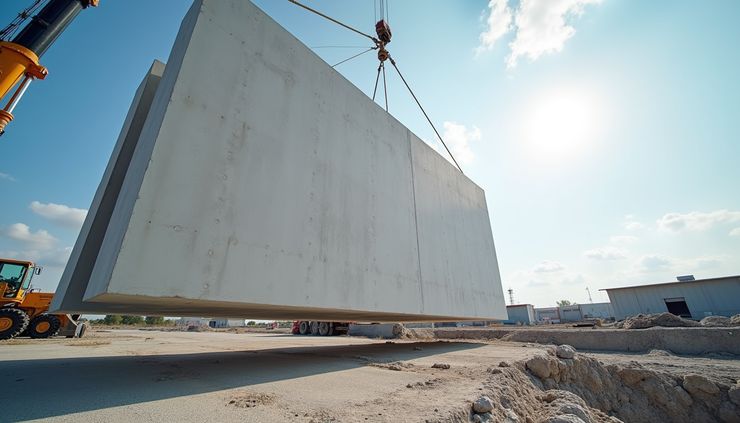
What Is Precast Concrete Fabrication?
Precast concrete fabrication involves casting concrete elements in a controlled factory environment before transporting them to the construction site. These elements include walls, floors, beams, and columns. Unlike traditional concrete poured on-site, precast components are produced with precision, ensuring consistent quality and faster assembly.
Faster Construction Times
One of the most significant benefits of precast concrete fabrication is the reduction in construction time. Since components are made off-site, site preparation and foundation work can proceed simultaneously with the fabrication process. This parallel workflow shortens project schedules by weeks or even months.
For example, a commercial building project in Chicago reduced its construction timeline by 30% using precast concrete panels. The panels arrived ready to install, eliminating delays caused by weather or on-site curing.
Improved Quality and Durability
Factories that produce precast concrete maintain strict quality control standards. This controlled environment allows for:
Consistent mixing and curing conditions
Precise dimensions and finishes
Use of high-strength concrete mixes
These factors result in components that are stronger and more durable than those cast on-site. Precast concrete also offers excellent resistance to fire, weather, and chemical exposure, making it ideal for harsh environments.
Cost Savings Over the Project Lifecycle
While the initial cost of precast concrete fabrication may be higher than traditional methods, the overall savings are significant. Faster construction reduces labor costs and financing charges. Additionally, the durability of precast elements lowers maintenance and repair expenses over time.
For instance, a bridge project in California used precast concrete beams that cut labor costs by 25% and reduced traffic disruption during construction. The long-term durability also means fewer repairs, saving public funds.
Design Flexibility and Aesthetic Options
Precast concrete fabrication supports a wide range of architectural designs. Manufacturers can create custom shapes, textures, and colors to meet specific project requirements. This flexibility allows architects to achieve unique looks without sacrificing structural integrity.
Examples include precast facades with intricate patterns or exposed aggregate finishes that add visual interest. Some projects combine precast concrete with other materials like glass or steel for modern, mixed-material designs.
Environmental Benefits
Precast concrete fabrication contributes to sustainable construction practices. The factory setting minimizes waste by recycling leftover materials and optimizing mix designs. Controlled curing reduces water usage compared to on-site methods.
Moreover, precast components often improve energy efficiency in buildings due to their thermal mass, which helps regulate indoor temperatures. Using precast concrete can also reduce the carbon footprint by shortening construction timelines and lowering transportation emissions through consolidated deliveries.
Challenges and Considerations
Despite its advantages, precast concrete fabrication requires careful planning. Transportation of large components demands access routes and equipment capable of handling heavy loads. Early coordination between designers, fabricators, and contractors is essential to avoid delays.
Additionally, site assembly requires skilled labor to ensure proper alignment and secure connections. Projects with complex geometries may need custom molds, which can increase upfront costs.
Real-World Applications
Precast concrete fabrication is widely used in various construction sectors:
Residential buildings: Panels for walls and floors speed up housing projects.
Commercial structures: Office buildings and shopping centers benefit from quick installation.
Infrastructure: Bridges, tunnels, and parking garages use precast elements for strength and durability.
Public facilities: Schools and hospitals gain from reduced construction disruption and long-lasting materials.
A notable example is the use of precast concrete in the construction of the new terminal at Denver International Airport, where large precast sections accelerated the build while maintaining high safety standards.


Comments