Ensuring Reliable Water Supply in Apartments: Best Practices and Solutions
- DAGBO CORP
- 3 days ago
- 3 min read

Reliable water supply is essential for comfortable living in apartment buildings. Yet, many residents face issues such as low water pressure, intermittent supply, or poor water quality. These problems can disrupt daily routines and affect health and hygiene. Understanding how water supply systems work in apartments and adopting effective solutions can help building managers and residents maintain a steady, clean water flow.
How Water Supply Works in Apartments
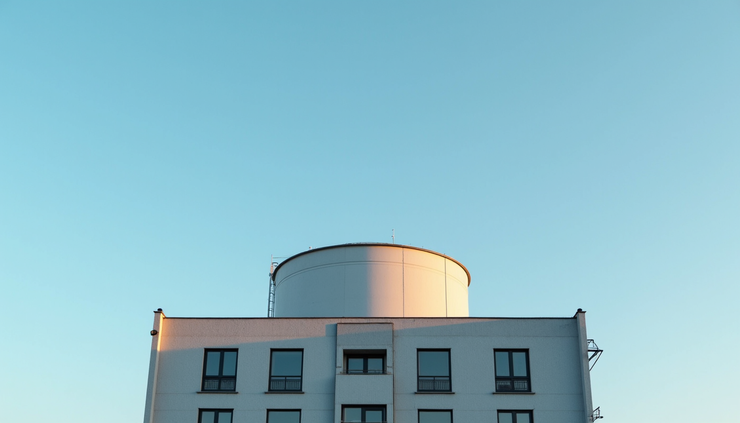
Apartment buildings typically receive water from municipal sources through a main pipeline. The water then moves through a network of pipes to reach individual units. Since water pressure from the city supply may not be enough to reach higher floors, buildings often use storage tanks and pumps to maintain consistent pressure.
Key components include:
Municipal water connection: The primary source of water.
Storage tanks: Usually located on rooftops or basements to hold water.
Pumps: Boost water pressure to upper floors.
Piping system: Distributes water to each apartment.
If any of these components fail or are poorly maintained, residents may experience interruptions or low pressure.
Common Water Supply Challenges in Apartments
Several issues can affect water supply reliability:
Low water pressure on higher floors due to gravity and insufficient pumping.
Water shortages during peak usage times or municipal supply cuts.
Contamination risks from aging pipes or improper storage tank maintenance.
Leaks and pipe bursts causing water loss and damage.
Uneven distribution where some apartments get more water than others.
These problems often stem from outdated infrastructure, lack of regular maintenance, or poor system design.
Best Practices for Reliable Water Supply
Building managers and maintenance teams can take several steps to improve water supply reliability:
Regular Inspection and Maintenance
Inspect storage tanks for cracks, rust, or contamination.
Clean tanks periodically to prevent algae and bacteria growth.
Check pumps and valves to ensure they operate efficiently.
Repair leaks promptly to avoid water loss and pressure drops.
Upgrade Infrastructure
Replace old pipes with corrosion-resistant materials like PEX or copper.
Install variable speed pumps that adjust pressure based on demand.
Use pressure regulators to maintain consistent flow across floors.
Water Storage Management
Ensure storage tanks have adequate capacity for peak demand.
Use multiple tanks or sectional tanks to separate potable and non-potable water.
Install overflow and drainage systems to prevent water stagnation.
Monitor Water Quality
Test water regularly for contaminants such as bacteria, heavy metals, or sediments.
Use filtration systems if municipal water quality is poor.
Educate residents on safe water use and reporting issues.
Solutions for Residents Facing Water Supply Issues
Residents can also take steps to improve their water experience:
Report low pressure or leaks to building management immediately.
Use water-saving fixtures to reduce overall demand.
Install point-of-use filters for drinking water safety.
Store emergency water supplies for outages.
Case Study: Improving Water Supply in a 12-Story Apartment
A 12-story apartment in a metropolitan area faced frequent low water pressure complaints on floors 8 to 12. The building had a single rooftop tank and an old pump system.
The management took these actions:
Installed a variable speed booster pump to adjust pressure dynamically.
Added a secondary storage tank to increase capacity.
Replaced corroded pipes on upper floors.
Set up a maintenance schedule for tank cleaning and pump checks.
After these improvements, residents reported steady water pressure and fewer interruptions, especially during peak hours.
The Role of Technology in Water Supply Management
Modern technology offers tools to monitor and control water supply systems more effectively:
Smart sensors track water pressure, flow, and quality in real time.
Automated pumps adjust operation based on sensor data.
Remote monitoring allows quick response to issues.
Data analytics help predict demand patterns and plan maintenance.
Investing in these technologies can reduce downtime and improve resident satisfaction.


Comments