Efficient Hot Water Production Solutions for Modern Homes

Hot water is essential in every home, from morning showers to washing dishes and laundry. Yet, producing hot water efficiently remains a challenge for many households. Inefficient systems can lead to high energy bills and unnecessary environmental impact. This post explores practical solutions for producing hot water in modern homes that save energy, reduce costs, and meet daily needs reliably.
Understanding Hot Water Production in Homes
Hot water production involves heating water to a usable temperature for various household tasks. The most common systems include storage tank heaters, tankless (on-demand) heaters, and solar water heaters. Each system has its advantages and drawbacks depending on home size, water usage, climate, and energy sources.
Storage Tank Water Heaters
These heaters store a fixed amount of hot water in an insulated tank. When water is used, cold water refills the tank and heats up again. Storage tanks are popular due to their simplicity and lower upfront cost.
Pros:
Can supply hot water to multiple outlets simultaneously
Lower initial installation cost
Compatible with various energy sources (electricity, gas, propane)
Cons:
Heat loss from stored water leads to energy waste
Limited hot water supply until tank refills and reheats
Larger footprint in the home
Tankless Water Heaters
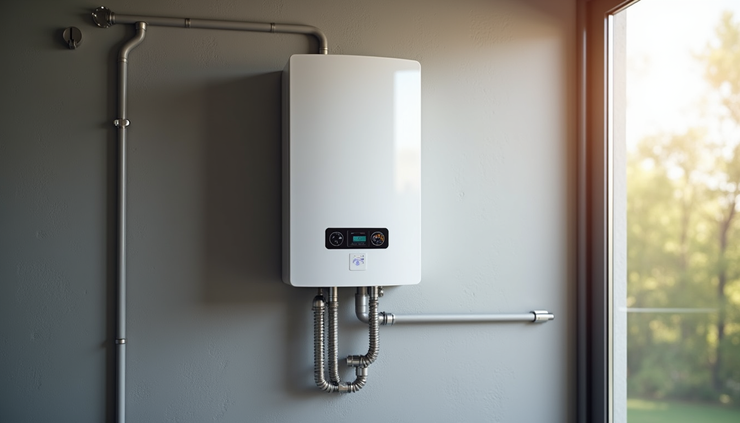
Tankless systems heat water directly as it flows through the unit, eliminating the need for storage. This means hot water is available on demand without standby heat loss.
Pros:
Energy efficient with no standby heat loss
Compact size saves space
Longer lifespan compared to storage tanks
Cons:
Higher upfront cost and installation complexity
Limited flow rate may affect simultaneous use at multiple outlets
Requires adequate power supply or gas flow
Solar Water Heaters
Solar water heaters use solar panels to capture energy from the sun to heat water. They often work alongside a backup system for cloudy days or high demand.
Pros:
Uses renewable energy, reducing utility bills
Environmentally friendly with low carbon footprint
Can qualify for tax credits or incentives
Cons:
Higher initial investment and installation complexity
Performance depends on sunlight availability
Requires space for solar collectors
Choosing the Right Hot Water System for Your Home
Selecting the best system depends on several factors:
Household size and water usage: Larger families may need storage tanks or multiple tankless units.
Energy source availability: Gas, electric, or solar options vary by location.
Space constraints: Tankless heaters suit small homes or apartments.
Budget: Consider upfront costs and long-term savings.
Environmental goals: Solar systems reduce carbon footprint.
For example, a family of four in a cold climate might benefit from a high-capacity storage tank with good insulation, while a single occupant in a small apartment could save space and energy with a tankless electric heater.
Tips for Improving Hot Water Efficiency
Beyond choosing the right system, homeowners can adopt practices to improve efficiency:
Insulate hot water pipes to reduce heat loss during delivery.
Lower water heater temperature to around 120°F (49°C) to save energy and prevent scalding.
Fix leaks promptly to avoid wasting hot water.
Use water-saving fixtures like low-flow showerheads and faucets.
Schedule regular maintenance to keep heaters operating efficiently.
Emerging Technologies in Hot Water Production
New technologies are making hot water production smarter and more efficient:
Heat pump water heaters extract heat from the air to warm water, using less electricity than traditional electric heaters.
Smart water heaters connect to home networks, allowing users to schedule heating times and monitor usage remotely.
Hybrid systems combine solar heating with heat pumps or traditional heaters for consistent supply and energy savings.
These innovations offer promising options for homeowners looking to reduce energy use and costs.
Practical Example: Upgrading to a Tankless Water Heater
Consider a homeowner replacing a 50-gallon electric storage tank with a tankless electric heater. The tankless unit heats water only when needed, eliminating standby losses. Although the upfront cost is higher, the homeowner saves about 20-30% on water heating bills annually. The compact size frees up space in the utility room, and the system lasts longer, reducing replacement frequency.
Summary
Efficient hot water production in homes depends on choosing the right system and adopting smart usage habits. Storage tanks remain common but have energy losses. Tankless heaters offer on-demand hot water with better efficiency, while solar systems provide renewable energy options. Emerging technologies like heat pumps and smart controls further improve performance.


Comments