Effective Waterproofing Strategies for Curtain Wall Design
- DAGBO CORP
- Apr 4
- 3 min read

Water intrusion is one of the most common challenges in curtain wall systems. When water penetrates these exterior walls, it can cause structural damage, mold growth, and energy inefficiency. Designing curtain walls with effective waterproofing is essential to protect buildings and extend their lifespan. This post explores practical strategies to ensure curtain walls remain watertight while maintaining their aesthetic and functional qualities.
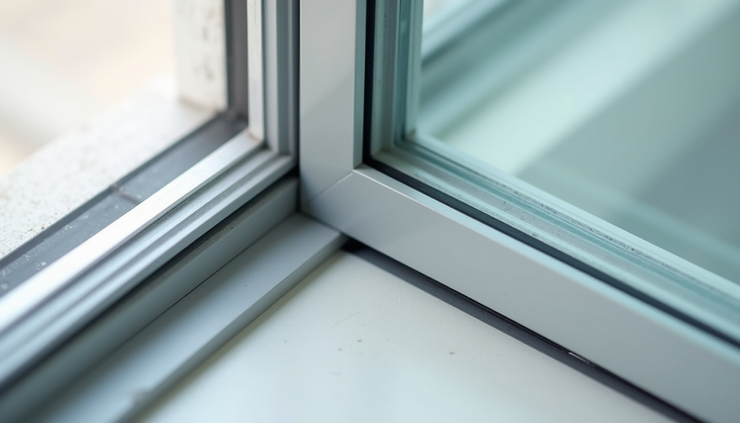
Understanding Curtain Wall Waterproofing Challenges
Curtain walls are non-structural cladding systems attached to the building frame. They often consist of glass panels, metal frames, and insulation layers. Because they are exposed to the weather, they must prevent water from entering the building envelope.
Water can enter curtain walls through:
Joints between panels
Frame-to-glass connections
Penetrations for anchors or fasteners
Defects in sealants or gaskets
The design must address these vulnerabilities to avoid leaks. The challenge lies in balancing waterproofing with thermal expansion, structural movement, and aesthetic requirements.
Key Waterproofing Components in Curtain Wall Design
Several elements work together to keep curtain walls watertight:
1. Sealants and Gaskets
Sealants fill gaps and joints between curtain wall components. They must be flexible to accommodate movement caused by wind, temperature changes, and building sway. Silicone and polyurethane sealants are common choices due to their durability and elasticity.
Gaskets provide a secondary barrier by compressing between the frame and the glass. They help prevent water infiltration and improve air tightness.
2. Flashing and Drainage Systems
Flashing directs water away from critical joints and openings. Properly installed flashing prevents water from pooling and seeping into the structure.
Drainage systems collect and channel any water that penetrates the outer layers. Weep holes and internal gutters allow water to escape safely without damaging the building.
3. Pressure Equalization
Pressure equalization balances air pressure inside and outside the curtain wall cavity. This reduces the force driving water through joints. Designing cavities with vents and drainage paths supports this principle.
Design Strategies to Improve Waterproofing
Use a Multi-Layered Approach
Relying on a single waterproofing method increases risk. Combining sealants, gaskets, flashing, and drainage creates multiple barriers. If one layer fails, others provide backup protection.
Select High-Quality Materials
Choose sealants and gaskets rated for long-term exposure to UV rays, temperature extremes, and moisture. Inferior materials degrade quickly and lose effectiveness.
Detail Joints Carefully
Design joints to minimize water entry points. Overlapping components, sloped surfaces, and tight tolerances help shed water. Avoid flat horizontal surfaces where water can collect.
Incorporate Testing and Mock-Ups
Before full installation, test waterproofing details with mock-ups. Simulate wind-driven rain to identify weak spots. Adjust the design based on test results to improve performance.
Plan for Maintenance Access
Waterproofing materials degrade over time. Design curtain walls so that sealants and gaskets can be inspected and replaced without major disruption.
Examples of Effective Waterproofing in Curtain Walls
The Bank of America Tower in New York uses a pressure-equalized rain screen system. This design balances air pressure and drains water efficiently, reducing leaks despite heavy rain and wind.
The Burj Khalifa in Dubai employs high-performance silicone sealants and multiple drainage layers. These features handle extreme temperature swings and occasional sandstorms.
The Seattle Central Library integrates sloped flashing and concealed drainage channels. This prevents water accumulation on horizontal surfaces and directs moisture safely away.
Common Mistakes to Avoid
Using incompatible sealants that fail to bond properly with frame materials
Ignoring thermal expansion causes sealants to crack or detach
Overlooking small penetrations like fastener holes or anchor points
Skipping pressure equalization design increases the water infiltration risk
Neglecting regular inspection and maintenance plans


Comments